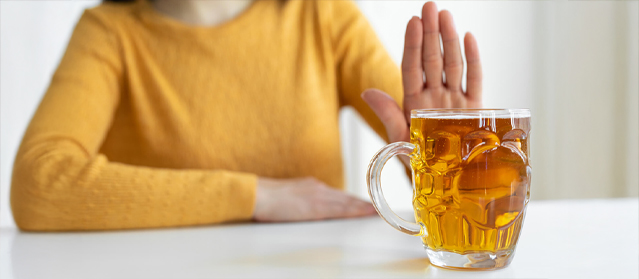
When you’re doing your best in your weight loss program, it’s normal to question every food and drink choice, especially when it comes to those small things that can add up. Non-alcoholic beer often seems like a smart switch from regular beer.
It offers all the flavour without the alcohol, but is it actually helping with weight loss? Or could it be holding you back without you even realising it?
Let’s explore whether non-alcoholic beer is fattening, if it affects your stomach, whether it’s better for your liver, and how it fits into a healthy weight loss plan.
Is Non-Alcoholic Beer Fattening?
Repetitive. This line was already used above. Consider removing or combining with the previous paragraph. It is better for weight loss if there is no alcohol, right? Not necessarily. It can still have a decent amount of calories and more carbs than you’d expect. Some varieties have more sugar than regular beer to make up for the missing alcohol taste. These hidden sugars and carbs can quietly stack up, especially if you’re having one every day.
If you’re following the best weight loss program, where every calorie counts, these hidden extras could slow your progress. This is especially important if your plan includes regular calorie tracking or meal portion control.
That said, drinking non-alcoholic beer occasionally isn’t likely to cause weight gain on its own. It becomes a concern only when consumed in larger amounts or paired with a high-calorie diet. Like anything else, moderation is key. Enjoy it occasionally, but be mindful of how it fits into your daily diet.
Is Non-Alcoholic Beer Bad For Your Stomach?
One common worry? Beer can irritate the stomach. So, does ditching alcohol help?
Non-alcoholic beers are gentler on the stomach because they lack ethanol, the main irritant. A 2020 clinical trial on cirrhosis patients found no worsening of abdominal symptoms or bloating from moderate non-alcoholic beer intake (330ml), especially when combined with diet and exercise. This is reassuring if a sensitive liver and gut handled it fine, so should most healthy stomachs.
However, added sugars and carbonation can still cause bloating, especially in those sensitive to FODMAP or IBS. Some reports warn that artificial sweeteners or high sodium levels in certain non-alcoholic beers can also cause digestive discomfort. A tip? Choose low-sugar, additive-free brands to avoid unnecessary bloating.
Is Non-Alcoholic Beer Better For Your Liver?
Many people choose non-alcoholic beer, thinking it’s a better option for their liver, and in most cases, that’s true.
Non-alcoholic beer usually contains less than 0.5% alcohol, which is very low compared to regular beer. As a result, it places far less strain on your liver. For someone trying to support their liver health or reduce alcohol intake, non-alcoholic beer can be a gentler alternative.
In some cases, people with liver conditions, like fatty liver or early-stage liver issues, are advised to avoid alcohol completely. Choosing a non-alcoholic option may be a safer way to enjoy the taste of beer without causing further stress to the liver.
However, it’s still important to read the label. Some non-alcoholic beers contain added sugars, which may not be ideal for those watching their liver health. Too much sugar can also lead to weight gain, which is linked to liver problems.
In moderation, though, non-alcoholic beer is generally considered a liver-friendly choice, especially when included in a balanced lifestyle that includes good food, movement, and hydration.
The Best Weight Loss Program: Pros & Cons
If you’re getting a weight loss program from a dietitian in Ballarat, you should know everything about it:
Pros:
- Keep alcohol cravings in check if you’re used to beer.
- If you stop your alcohol consumption, you’ll get better liver function.
- Moderate servings may offer polyphenol-based metabolic benefits.
Cons:
- Extra carbs and sugar in non-alcoholic beer can make it harder to lose weight on a calorie-controlled diet.
- The fizz and added ingredients might cause bloating or digestive discomfort for some people.
- Having more than a couple of servings a week could sneak in extra calories and throw off your daily goals.
Tip From Dietitians: If you’re on a strict weight reduction plan aiming for ‘the quickest way to lose weight,’ a small 330mL non-alcoholic beer now and then won’t wreck progress. But daily consumption or double servings could chip away at your calorie window.
Quick Tip: What To Look For In Non-Alcoholic Beer
- Check nutrition labels: Look for low-calorie, low-carb, no-added-sugar options.
- Mind your serving size: Stick to one 330mL portion; more calories add up fast.
- Pair with exercise & diet: Like in the cirrhosis trial, your best results come from combining smart eating, movement, and hydration.
- Listen to your gut: If you notice bloating or discomfort, switch brands or reduce intake.
- Stay liver-safe: Choose 0.0% ABV if you’re in recovery or sensitive to alcohol.
- Rotate with water: Enjoy non-alcoholic beer socially, then switch back to water or sparkling water to manage calories and hydration.
Also Read – How Does Apple Cider Vinegar Help With Weight Loss Naturally?
Sample Daily Plan For Weight Loss
Here’s how a day might look if you’re following a top-tier weight loss program with moderate non-alcoholic beer:
Time | Meal/Drink |
Breakfast | Oats with fruit + Greek yoghurt |
Lunch | Grilled chicken salad, leafy |
Afternoon | Non-alcoholic beer (330ml) |
Dinner | Stir-fry veggies + lean protein |
Evening snack | Herbal tea or sparkling water |
If you’re following the best weight loss program or working with a dietitian in Ballarat, just enjoy non-alcoholic beer in moderation and pick low-sugar options. It can still fit into your routine without affecting your progress.
Frequently Asked Questions:
Is non-alcoholic beer fattening?
Yes, it can be, because of the sugar and carbs. It’s not calorie-free.
Bad for your stomach?
Not usually. However, it may cause bloating in some individuals.
Better for your liver?
Yes. It’s much gentler than regular beer.
If you’re looking for expert support on your weight loss journey or weight reduction clinic, Grampians Weight Specialists in Ballarat is a great place to start. Whether you’re cutting back on alcohol or adjusting your diet, an experienced team of doctors and dietitians can help you make smart choices, like whether non-alcoholic beer fits into your plan. It’s weight loss with real, long-term results.